

Tina just left us a 5 star review
★★★★★
on Google
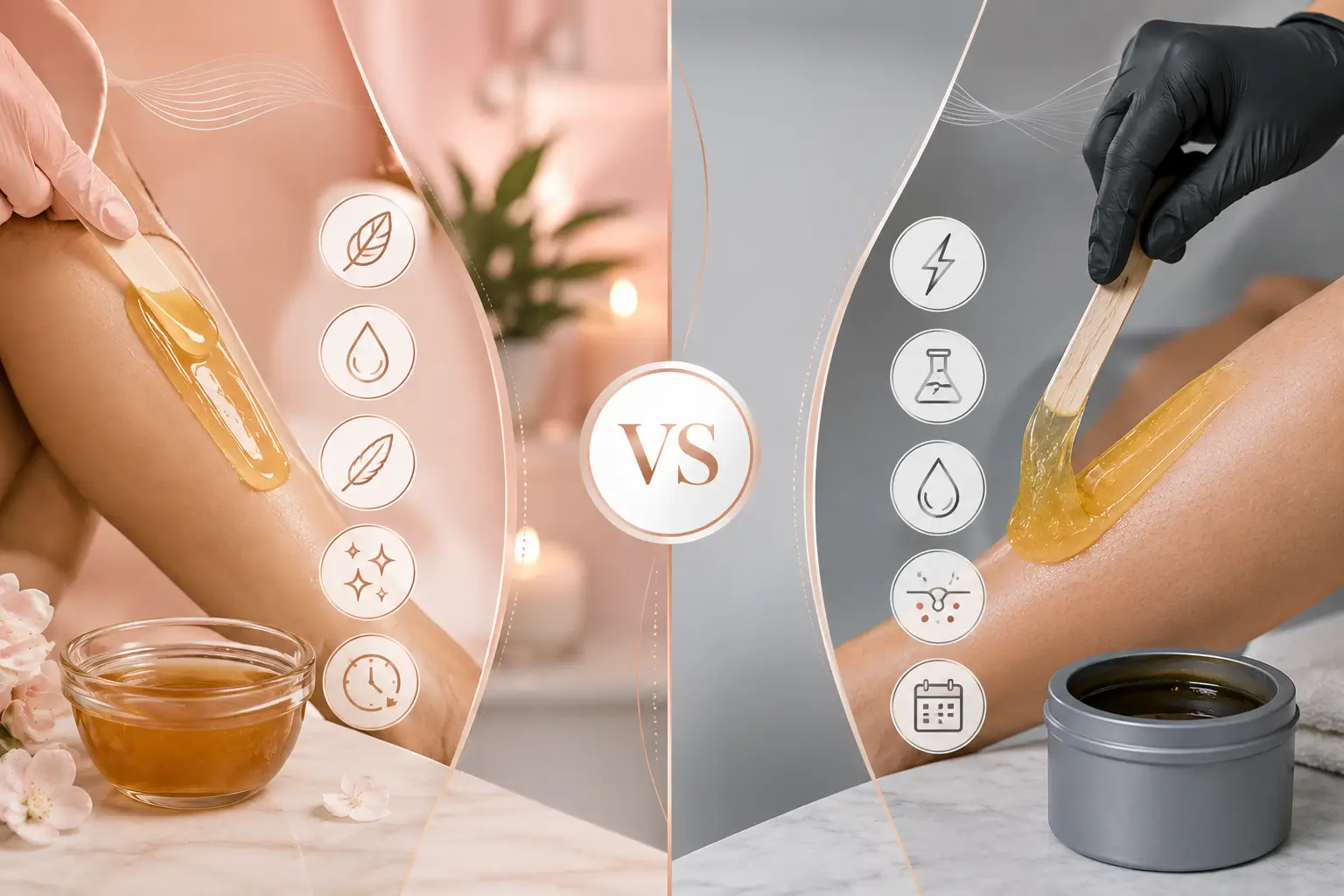
What Makes Radiant Waxing Different From Regular Waxing
Waxing is one of those beauty treatments where the small details can make a noticeable difference. The wax itself, the way it is applied, how the skin is prepared, and even how the hair is removed can affect comfort and the final result. For people considering radiant waxing sterling , it helps to understand what actually separates this approach from a standard waxing appointment.
What Is Radiant Waxing?
Radiant waxing generally refers to a more structured waxing experience that focuses on skin preparation, product selection, application technique, and aftercare rather than treating waxing as a simple hair-removal step.
That difference counts. Regular waxing can be perfectly fine if it is done properly, but not every waxing service follows the same process. Some appointments are quick and simple: apply wax, pull hair, move on. The more detailed waxing service is more attentive to the reaction of the skin during the treatment.
For clients looking into radiant waxing sterling , the practical question is not simply, “Which wax is stronger?” A better question is, “How is the entire service handled?”
That is where the difference becomes easier to understand.
Radiant Waxing Sterling VA: What Sets It Apart?
A radiant waxing service may place more attention on the complete treatment rather than only the removal of unwanted hair.
Several factors can contribute to the experience:
- Careful skin preparation before waxing
- Choosing the appropriate wax for the treatment area
- Applying wax according to hair growth and skin sensitivity
- Working in smaller sections when needed
- Paying attention to temperature and application
- Using suitable post-wax products
- Giving clients practical aftercare guidance
None of these things sounds dramatic on its own. In practice, though, they can change how the appointment feels and how the skin looks afterward.
This is particularly useful for areas where the skin is more delicate. The face, bikini area, underarms, and other sensitive regions do not always respond well to a one-method-fits-all approach.
Regular Waxing Is Not Necessarily Bad
It is worth clearing up a common misunderstanding.
“Regular waxing” does not automatically mean poor waxing.
A skilled esthetician using conventional waxing methods can provide excellent results. Traditional waxing has been used for years because it works. Hair is removed from the root, and with consistent appointments, many people find that regrowth becomes easier to manage.
The real difference usually comes down to how the service is performed, rather than simply attaching a better-sounding label to one type of wax.
Think of it like getting a haircut. Two professionals may use similar scissors and products, yet the appointment can feel completely different because of technique, attention to detail, and experience.
Waxing is similar.
The Wax Formula Can Make a Difference
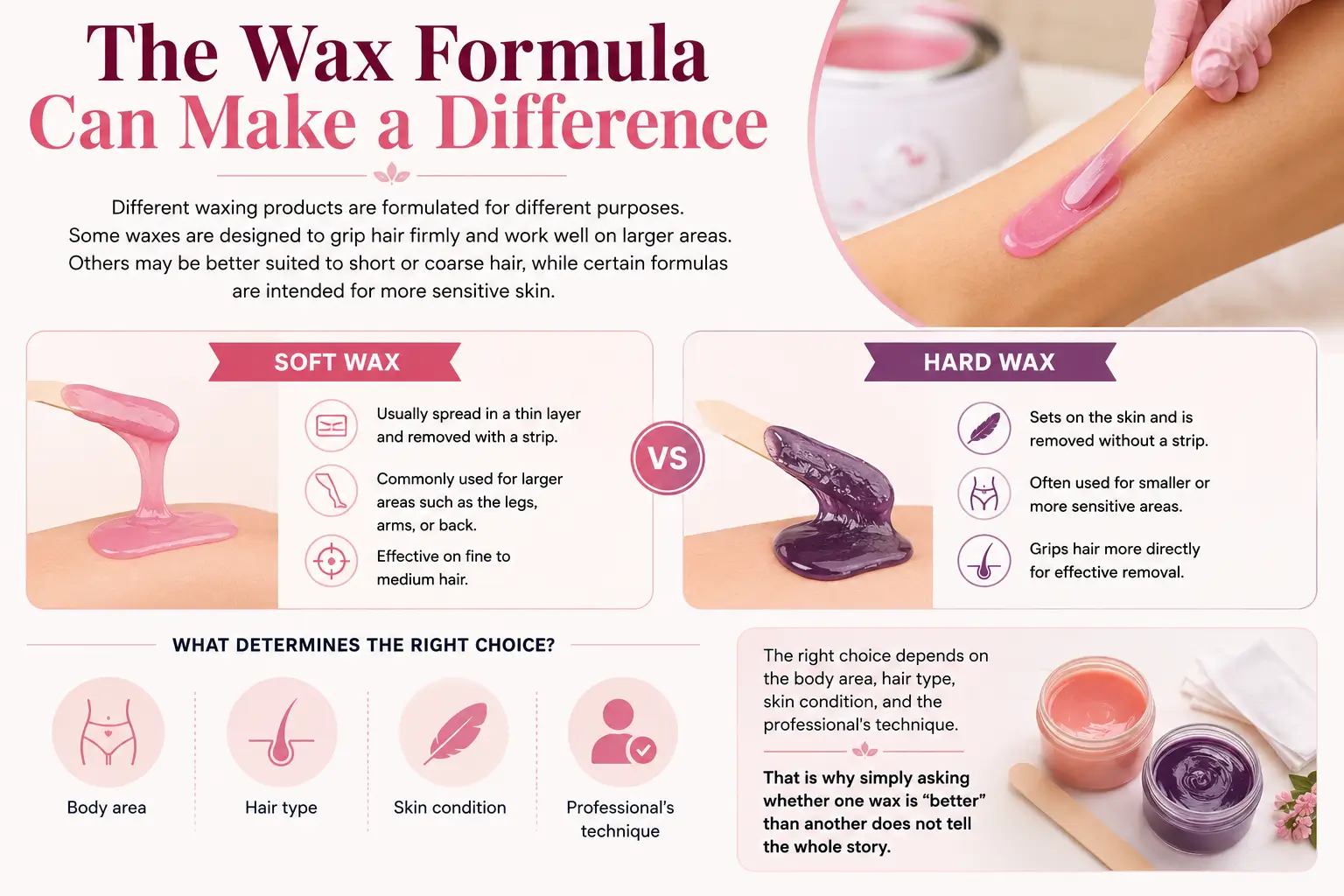
Different waxing products are formulated for different purposes.
Some waxes are designed to grip hair firmly and work well on larger areas. Others may be better suited to short or coarse hair, while certain formulas are intended for more sensitive skin.
Hard wax and soft wax are two familiar examples.
Soft wax is usually spread in a thin layer and removed with a strip. It is commonly used for larger areas such as the legs, arms, or back.
Hard wax sets on the skin and is removed without a strip. Because it can adhere more directly to the hair, it is often used for smaller or more sensitive areas.
The right choice depends on the body area, hair type, skin condition, and the professional's technique.
That is why simply asking whether one wax is “better” than another does not tell the whole story.
Skin Preparation Matters More Than People Think
One of the easiest parts of a waxing appointment to overlook is what happens before the wax touches the skin.
Clean, properly prepared skin gives the wax a better surface to work with. Excess oil, heavy lotions, sweat, or product residue can interfere with application.
Professional preparation may include cleansing the area and assessing the skin before treatment. Depending on the service, the esthetician may also consider whether the skin appears irritated, unusually dry, sunburned, or otherwise unsuitable for waxing that day.
This is important because waxing is not appropriate for every skin condition at every moment.
For example, freshly sunburned skin should not be waxed. The same applies to skin that is significantly irritated or compromised.
A few minutes spent assessing the skin can prevent a much more uncomfortable experience later.
Technique Is a Major Part of the Difference
Waxing may look simple when someone else is doing it. It is not quite as simple as applying wax and pulling it off.
Application direction, wax thickness, removal angle, skin tension, and timing all matter.
Hair generally grows in different directions across different parts of the body. An experienced professional pays attention to those patterns rather than treating the entire area identically.
The skin may also need to be held taut during removal. This can make the process more controlled and may help reduce unnecessary pulling on the surrounding skin.
Small details like these are easy to overlook when comparing services by price alone.
Yet they can have a bigger effect on the appointment than the name printed on the wax container.
Is Radiant Waxing Less Painful?
Waxing involves pulling hair from the root, so it would be misleading to say that any professional waxing method is completely painless.
However, the level of discomfort can vary.
It may depend on:
- The body area
- Hair thickness
- Hair length
- Individual pain tolerance
- Skin sensitivity
- The wax being used
- Application and removal technique
- How regularly the person gets waxed
Someone having their first bikini wax, for example, may experience more discomfort than someone who has been waxing consistently for years.
A careful technique can help make the process more manageable, but expectations should remain realistic.
If a service claims waxing will feel exactly like nothing happened, be skeptical. Good waxing is about controlling discomfort, not pretending it does not exist.
Why Hair Length Matters
There is a common temptation to wait until hair becomes quite long before scheduling a waxing appointment.
Longer is not always better.
Hair that is excessively long can sometimes make removal more uncomfortable because there is simply more hair being pulled at once. On the other hand, hair that is too short may not provide enough length for the wax to grip effectively.
The ideal length can vary depending on the area and the type of wax being used.
This is another reason professional advice can be useful, especially when someone is switching from shaving to waxing.
If you have been shaving regularly, the first few appointments may require a little patience while the hair-growth cycle settles into a more predictable pattern.
Radiant Waxing and Sensitive Skin
People with sensitive skin often pay closer attention to waxing methods, and for good reason.
Redness immediately after waxing is common. Mild sensitivity can also occur for a short period. That does not necessarily indicate that something went wrong.
The concern is when irritation becomes unusually severe or lasts longer than expected.
A professional waxing appointment should take the client's skin into account. Areas with thinner or more delicate skin require appropriate products and careful technique.
The esthetician should also know when to avoid waxing altogether. If the skin looks damaged, inflamed, or otherwise unsuitable, postponing the appointment may be the safer choice.
That kind of judgment is part of professional waxing. It is not just about removing hair quickly.
What Happens After Radiant Waxing?
Aftercare is another area where professional services can differ.
Freshly waxed skin can be more sensitive for a while. Immediately after treatment, it is generally sensible to avoid unnecessary friction, excessive heat, and activities that may irritate the area.
Depending on the body area, clients may be advised to avoid:
- Very hot showers immediately after waxing
- Saunas and steam rooms
- Heavy exercise for a short period
- Tight clothing that rubs against freshly waxed skin
- Strong fragrances or harsh skincare products on the treated area
- Picking or scratching irritated spots
Gentle skin care is usually the safer approach.
Exfoliation can also matter, but timing is important. Exfoliating too aggressively right after waxing can irritate freshly treated skin. Once the skin has settled, gentle exfoliation may help reduce the chance of trapped hairs.
Can Radiant Waxing Help With Ingrown Hairs?
Waxing can reduce the need for frequent shaving, which may be helpful for people who experience irritation from shaving.
However, waxing does not guarantee that ingrown hairs will never occur.
Ingrown hairs happen when a growing hair curls back into the skin instead of growing outward. Hair texture, skin type, shaving habits, waxing habits, and individual hair-growth patterns can all play a role.
Good aftercare can help.
Gentle exfoliation, avoiding excessive friction, and keeping the skin clean can be useful for some people. But aggressive scrubbing is not the answer. If the skin is already irritated, rubbing it harder usually makes matters worse.
Persistent or painful ingrown hairs may require advice from a qualified healthcare professional.
How Often Should You Get Waxed?
There is no single schedule that works for everyone.
Many people book waxing appointments every few weeks, depending on how quickly their hair grows and the area being treated.
The goal is not necessarily to remove every tiny new hair as soon as it appears. Hair grows in cycles, so different hairs may be at different stages at the same time.
Consistency can make waxing easier to manage because you begin to understand your own growth pattern.
If you shave between appointments, however, you may find that your timing becomes less predictable.
For people new to radiant waxing sterling va, discussing a realistic maintenance schedule with the esthetician is usually more useful than following a fixed calendar.
Waxing at Home vs. Professional Waxing
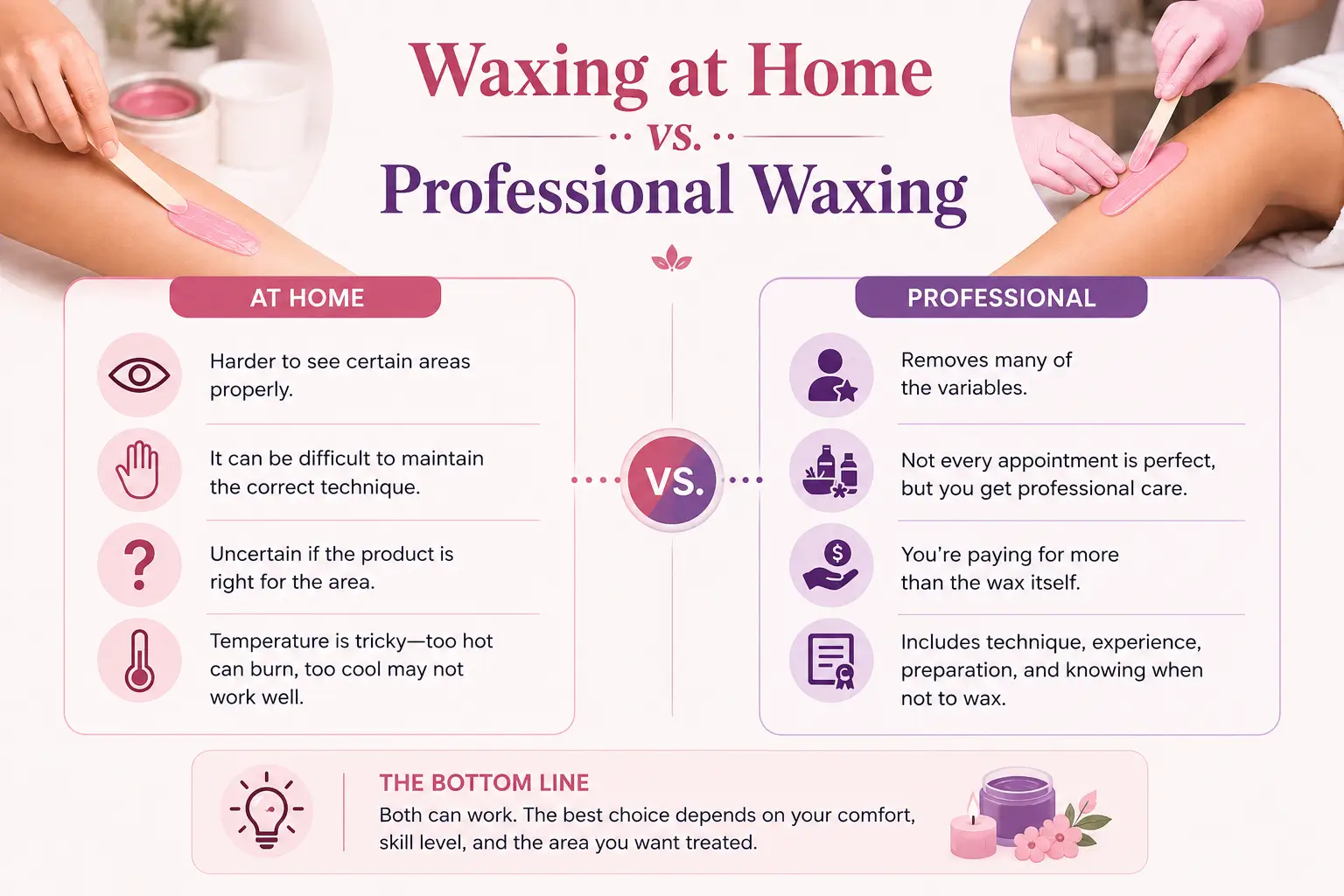
Home waxing kits have become widely available, and they can work for some people.
But there are obvious limitations.
It can be difficult to see certain areas properly, maintain the correct application technique, keep the skin positioned correctly, and judge whether a product is appropriate for a particular area.
There is also the issue of temperature. Wax that is too hot can burn the skin, while wax that is too cool may not spread or grip correctly.
Professional waxing removes some of those variables.
That does not mean every salon appointment will be perfect. It simply means you are paying for more than the wax itself. You are also paying for technique, experience, preparation, and the ability to recognize when something should not be waxed.
What Should You Look For in a Professional Waxing Service?
When comparing waxing services in Sterling, look beyond the treatment name.
Ask practical questions.
Does the professional explain how to prepare before the appointment? Do they assess the skin? Are different wax types available for different areas? Do they explain aftercare? Are hygiene practices clear and consistent?
Those details tell you much more about the quality of a service than a promotional phrase ever could.
It is also reasonable to mention previous reactions, skin sensitivity, medications that may affect the skin, or any recent treatments that could make waxing unsuitable.
Good communication works both ways.
Is Radiant Waxing Worth Choosing?
For someone who already gets regular waxing and is happy with the results, there may not be a need to change simply because a different service has a different name.
But if you regularly deal with unnecessary discomfort, excessive irritation, poor hair removal, or inconsistent results, trying a service that pays closer attention to preparation and technique may be worthwhile.
The biggest advantage is often not one magical product. It is the overall process.
A careful professional can adjust the approach based on the area, hair, and skin rather than repeating exactly the same routine for every client.
Conclusion
The real difference between radiant waxing and regular waxing is not simply a different label or a particular jar of wax. What matters is the process behind the service.
Good waxing starts with understanding the skin, choosing the right approach for the treatment area, applying and removing the wax correctly, and giving the skin sensible aftercare afterward.
If you are comparing waxing sterling va services , focus less on promises about painless or perfect results and more on the professional's technique, hygiene, product choices, and willingness to work around your individual skin and hair needs.
That is usually where a better waxing experience begins.
Radiant waxing generally places greater attention on the complete waxing experience, including skin preparation, wax selection, application technique, hair removal, and aftercare. Regular waxing can also be professionally performed, so the difference is not necessarily the wax itself. Technique, products, and the level of personalized care are important factors.
It can be a suitable option for people with sensitive skin when the professional selects appropriate products and uses careful technique. However, no waxing method is automatically safe for every person or skin type. Skin that is sunburned, damaged, or significantly irritated should generally not be waxed until it has recovered.
Waxing results commonly last longer than shaving because the hair is removed from the root. The exact duration varies from person to person and depends on the treatment area and individual hair-growth cycle. Many clients schedule their next appointment after several weeks rather than waiting for all hair to grow back at once.
Waxing can cause discomfort regardless of the method because hair is being removed from the root. However, professional preparation, suitable wax selection, correct skin tension, and efficient removal technique may make the experience more comfortable. Pain levels also vary considerably between individuals and body areas.
It depends on the condition of the skin. Waxing over active, inflamed, or painful ingrown hairs may aggravate the area. A professional should assess the skin before treatment. Once the irritation has settled, appropriate exfoliation and aftercare may help reduce recurring ingrown hairs.
Arrive with clean skin and avoid applying heavy lotions or oils to the area immediately before the appointment. Let the hair reach an appropriate length for waxing, and avoid waxing over sunburned or damaged skin. If you use products or medications that make your skin unusually sensitive, tell the waxing professional before treatment.


